By JESSICA HILL Associated Press
LAS VEGAS (AP) — Closing arguments are scheduled Monday in one of hip-hop’s most anticipated trials for the man accused of orchestrating the death of Tupac Shakur.
Duane “Keffe D” Davis, 63, faces a single count of murder with a deadly weapon with the intent to promote, further or assist a criminal gang in the killing of Shakur in Las Vegas nearly 30 years ago.
A panel of 16 jurors, four of whom will be alternates, heard 24 witnesses prosecutors called and three witnesses defense called over nine days. The trial was expected to take longer, with prosecutors originally planning to call 35 to 45 witnesses.
The prosecution is expected to hammer home their arguments that Davis called the shots for the attack on Shakur that night based on Davis’ own statements, while Davis’ defense attorney will likely reiterate his claim that the prosecution’s narrative is fiction, and that they failed to back up Davis’ claims with evidence.
The trial brings to a head a decades-long case that for years has drawn the eyes of hip-hop fans and true crime experts alike. Shakur, who was considered one of the most influential rappers of all time, was in Las Vegas on Sept. 7, 1996, and stopped at a red light when a white Cadillac pulled up beside him, and shots were fired. Shakur died six days later from his wounds. Death Row Records co-founder Marion “Suge” Knight was also wounded, but survived.
For years, nobody had been charged in the rapper’s death until Davis began making public statements, saying he was in the Cadillac and gave the gun to others in the backseat. Davis, a self-proclaimed leader of the South Side Compton Crips at the time, described the shooting as an act of retaliation after Knight and Shakur’s entourage beat up Davis’ nephew in the MGM Grand hours before the shooting.
Prosecutors don’t claim Davis was the one who pulled the trigger, but rather that he orchestrated the killing. Under Nevada law, someone who helps another person commit murder can be convicted of the crime. Davis is the only person still alive who was in the Cadillac.
Davis’ own words are front and center
The state has relied on Davis’ own statements he gave to police, documentarians and interviewers, in which he admitted to playing a role in the shooting. Davis also co-authored a book called “Compton Street Legend,” which Davis described as the “real truth” in an interview played for jurors.
In multiple interviews, Davis said he handed the gun to the back seat, with some details varying slightly on different occasions. Sometimes Davis said Deandre “Freaky” Smith had the gun but didn’t want it, so Anderson took it and pulled the trigger. In other interviews as well as his own book, Davis either wouldn’t say who pulled the trigger or said that he didn’t know.
Prosecution’s witnesses included a gang expert who described Davis as the shot caller that younger gang members had to obey. Witnesses also testified regarding the heated gang rivalry between South Side Compton Crips and Mob Piru, which were associated with dueling record companies Bad Boy Records and Death Row Records.
Lack of physical evidence, defense says
Davis’ defense attorney Michael Sanft has told jurors that his client’s words were braggadocio and were meant to make Davis money, not to tell the truth.
Sanft, who took on the case without pay, argues there is a lack of physical evidence tying Davis to the crime, such as phone records or bills.
During the trial, investigators said a Las Vegas hotel bill was found at Davis’ residence during a police search, but it wasn’t clear when it was dated — or where that evidence is currently located.
The case is nearly 30 years old, and its age has affected the kind of evidence presented in court. Prosecutors warned jurors that material collected in the ’90s is different from what law enforcement collects today.
Still, prosecutors played for jurors surveillance footage collected from the MGM Grand that showed Shakur, wearing a gold dress shirt, walking briskly on the casino floor with his entourage struggling to keep up with him. Footage showed the fight between Shakur’s entourage and Davis’ nephew, Orlando “Baby Lane” Anderson.
News
Closing arguments to begin in trial of man accused of orchestrating Tupac Shakur killing
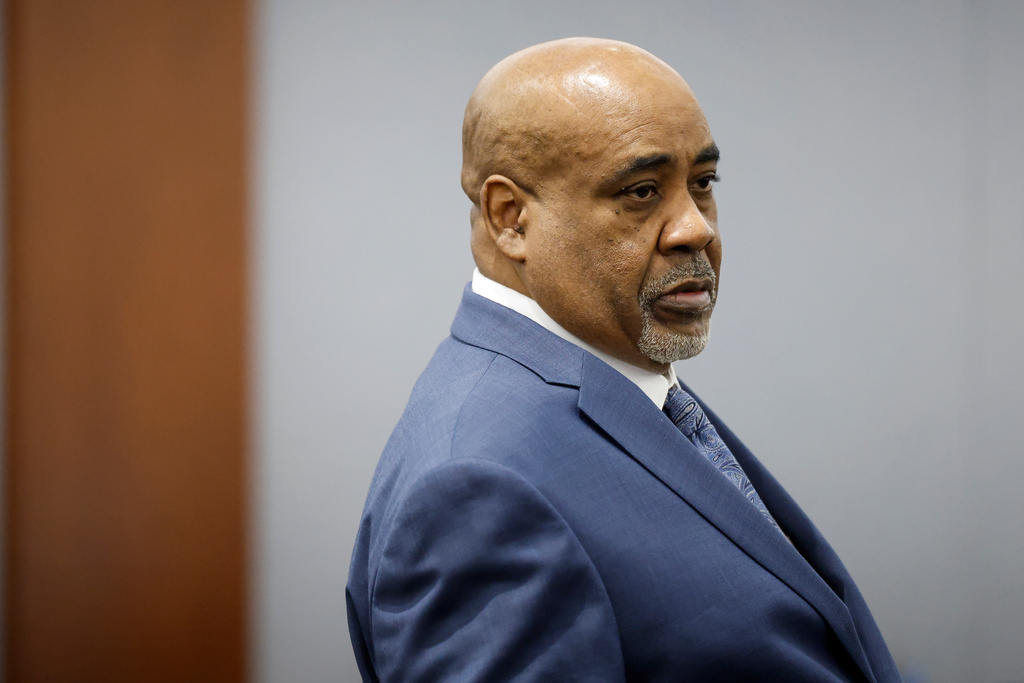
Duane Davis looks on during his trial, related to the 1996 killing of rapper Tupac Shakur, in Clark County District Court at the Regional Justice Center in Las Vegas, on Wednesday, Aug. 26, 2026. (Caroline Brehman/Pool Photo via AP) Photo: Associated Press